



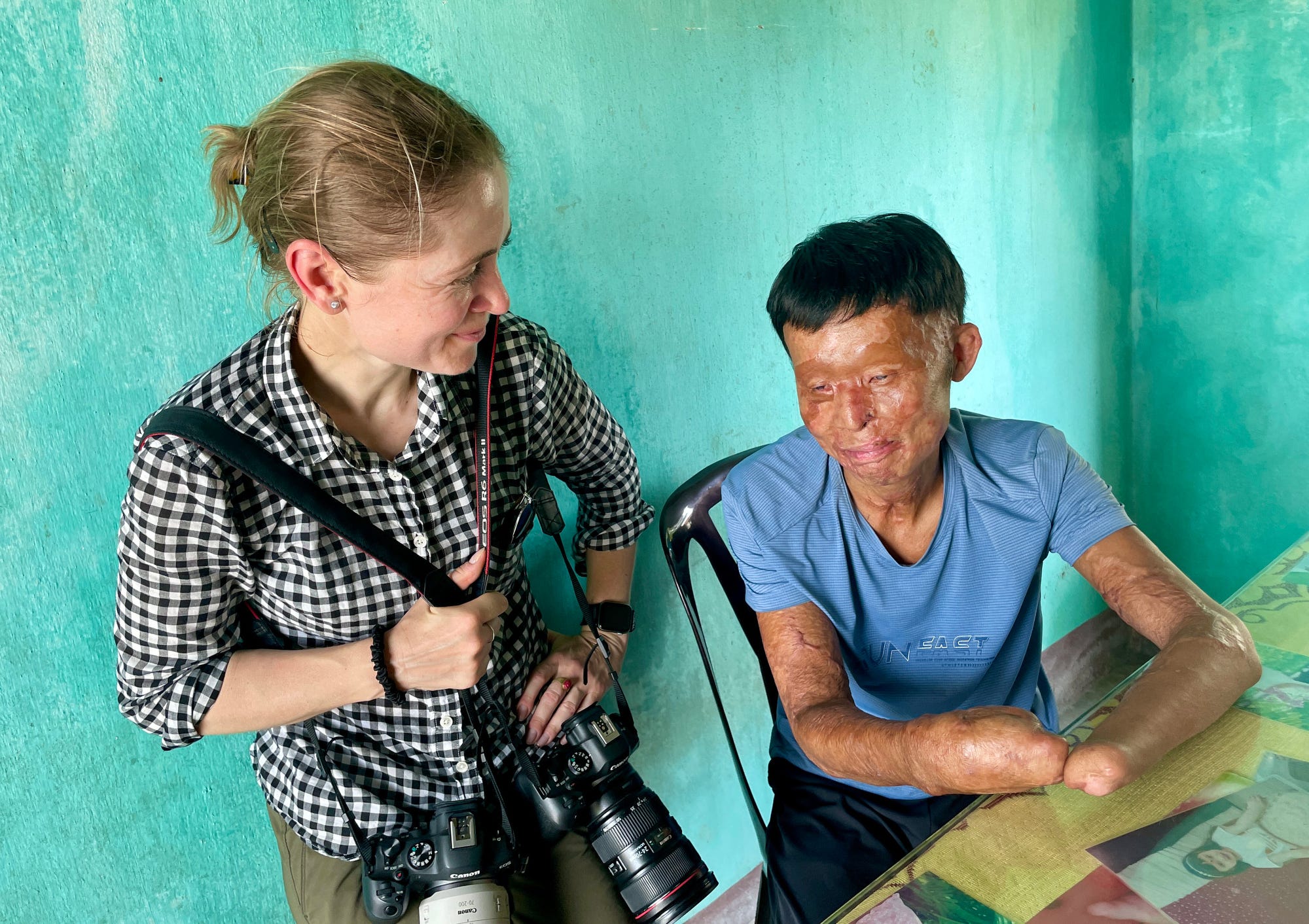
Written by Hope Cruz | Photography by Jana Ašenbrennerová
The first thing you see is rarely the whole story.
The night before Jana Ašenbrennerová was scheduled to meet a 37-year-old man named Nam in Vietnam, she asked the nonprofit she was working with a simple question.
Could she see a photograph of him?
The team had planned to spend roughly an hour at Nam’s home before moving on with the rest of the day’s schedule, which meant that within sixty minutes he would be expected to meet a group of mostly strangers, tell them about the landmine explosion that had changed his life, be photographed, answer questions about the surgeries and recovery that followed, and then watch everyone pack up and leave.
When Jana saw the photograph, she immediately knew that an hour wouldn’t be enough.
Nam had survived a landmine explosion in 2024 that left him with severe burns across much of his face and upper body. The photograph could show her the scars and the extent of his injuries, but it couldn’t tell her anything about the person himself: how he spoke, whether he was shy, what made him laugh, what he remembered fondly, or who he was beyond the injuries everyone would notice first.


Jana asked whether they could extend the visit, and the planned hour eventually stretched into several. While sixty minutes might have been enough to document the medical facts of Nam’s story, it was far too little time to ask him to revisit one of the most painful experiences of his life and still leave room for the quieter, unscripted moments her documentary work depends on.
The following day, Jana arrived at Nam’s home with a translator, a videographer, members of the medical team, and several other visitors. Once everyone gathered inside, Jana sat beside Nam and introduced herself through the translator. As they spoke, she noticed a tear slowly tracing its way down his face. Not understanding what was happening, she asked why he was crying. His answer caught her off guard.
He wasn’t crying because of physical pain, nor because he was preparing himself to recount the trauma again. He was crying because he was so moved that so many people had come to see him.
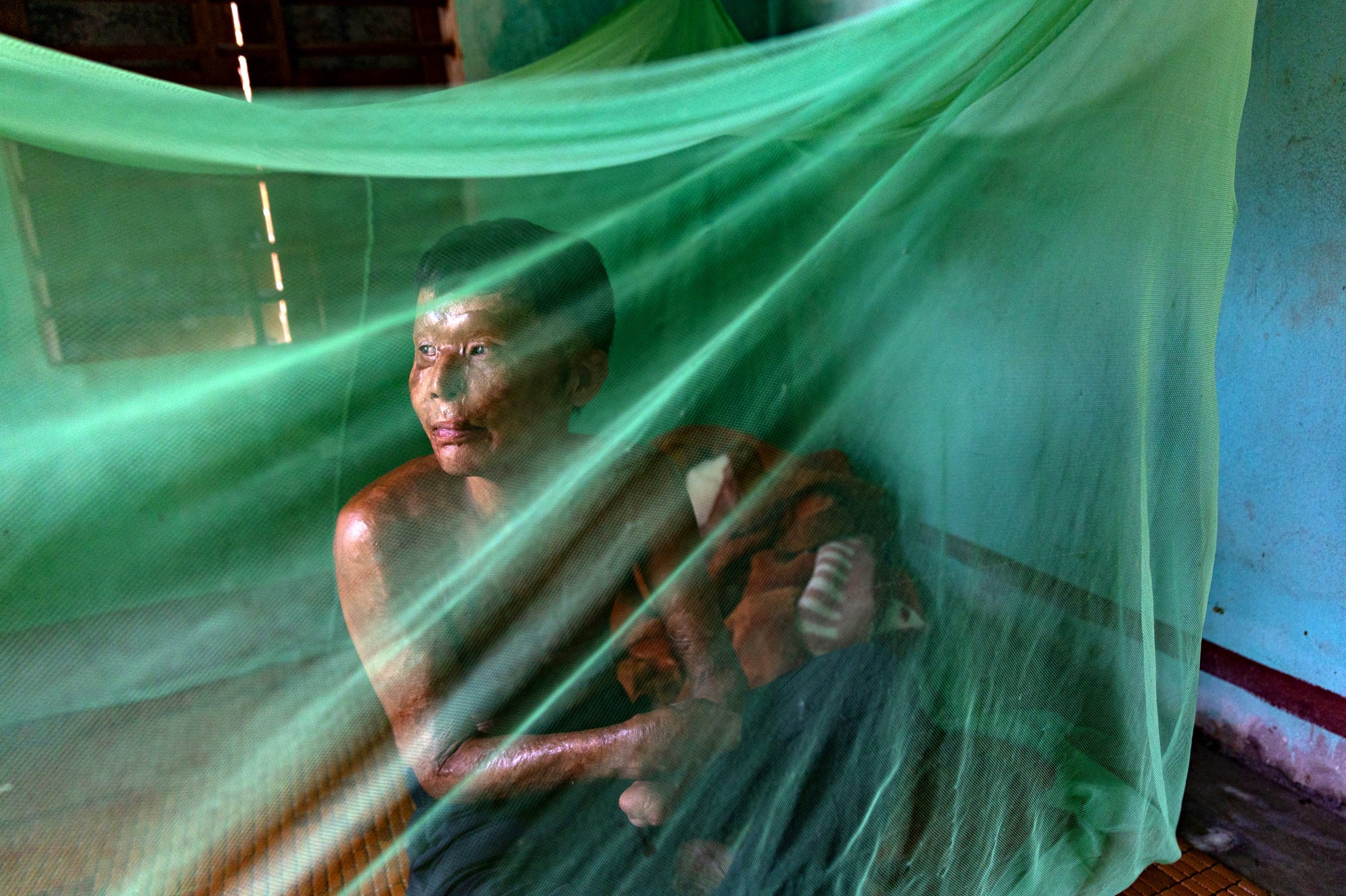
Through her work, Jana has seen how severe visible injuries can affect the way others respond to a person. People may hesitate, look away, or simply not know how to interact, and over time that can contribute to a profound sense of isolation. Seen in that context, Nam’s tears took on another meaning, reflecting how much it meant simply to have people come and spend time with him.
The interview then turned to Nam’s memory of the explosion, the surgeries, and the recovery that followed, while the videographer recorded his answers and others listened. Jana knew from experience, however, that getting to know someone rarely follows the neat boundaries of a formal interview. Often, the most revealing moments happen before the questions begin or after they end, when the structure falls away and people begin to relax. Those unscripted moments are where the ordinary, individual parts of a person often start to emerge.
Eventually, the videographer had what he needed, the formal questions came to an end, and the atmosphere inside Nam’s home began to relax. People drifted toward the kitchen, where mangoes from his garden had been set out for everyone. Jana found herself standing beside him again, only now nobody was asking about landmines, surgeries, rehabilitation, or recovery. The conversation moved somewhere much more ordinary, and Nam asked her whether she had tried one of the mangoes. When she admitted that she hadn’t, he encouraged her to have one, which was when Jana noticed that even though Nam was enthusiastically recommending mangoes, he wasn’t eating one himself.
“Should I be worried?” she asked, smiling.
Nam laughed and admitted that he didn’t actually like mangoes, which only made her more curious.
“But you are offering them to me?” she asked.
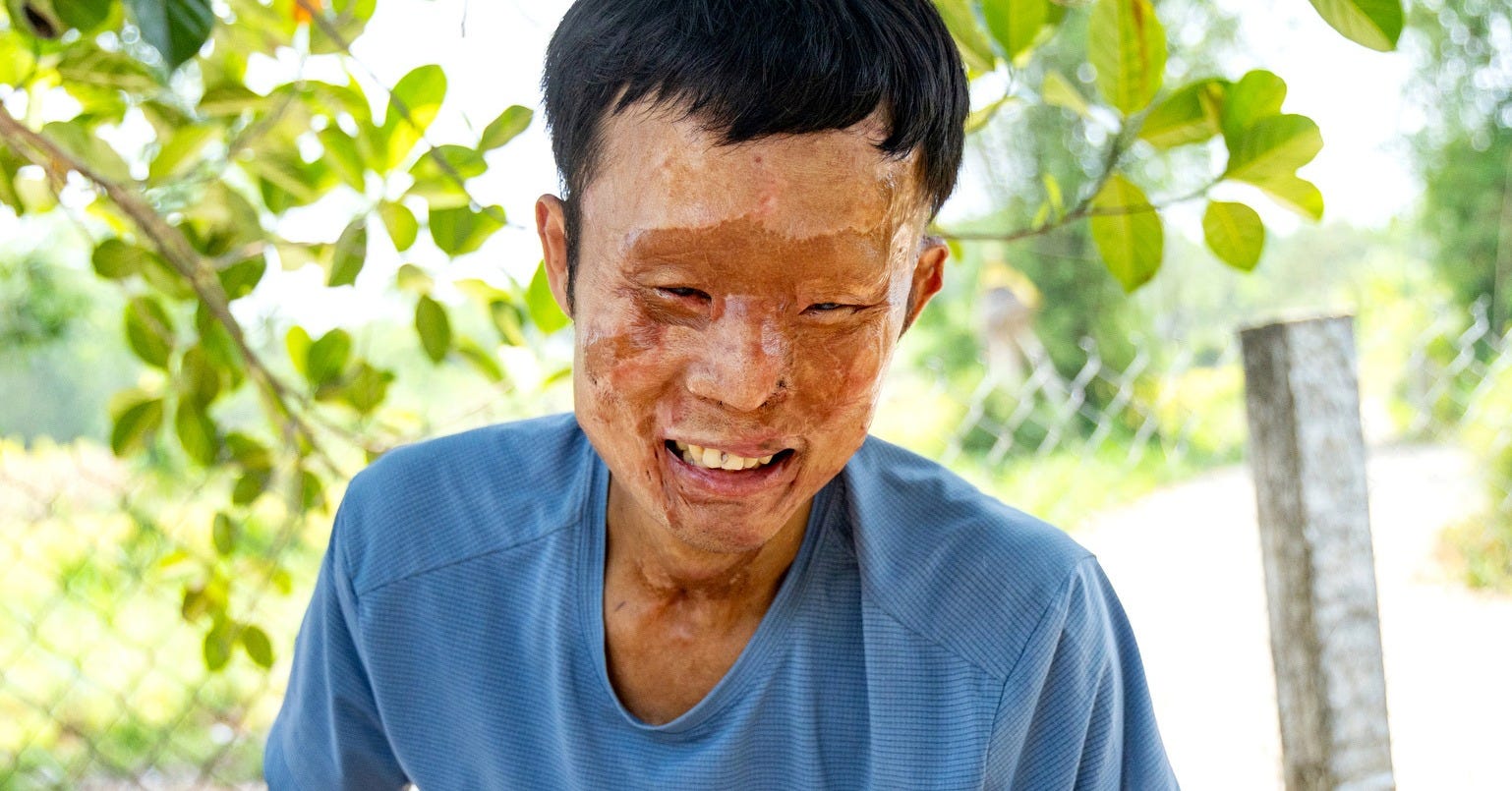
Still laughing, Nam explained that when he was younger, he used to offer mangoes to girls, smiling bashfully as he said it. Jana understood the implication immediately and realized, with some amusement, that he was telling her how he used to flirt. In that small exchange, she saw a side of Nam that the formal interview had never reached. The man who had just spent much of the morning recounting his accident and everything he had endured since was now smiling at her over an offer of mangoes, and for a few moments the story everyone had come to document receded into the background.
Nam was simply Nam, and this was why Jana had wanted more time.
For more than a decade, Jana has built much of her work around what she calls “the human side of medicine,” looking beyond the circumstance that first brought someone in front of her camera to everything else that makes them who they are. A diagnosis, an injury, a disability, or a traumatic event may explain why she has been invited into someone’s life, but she has never believed that it defines the person. What interests her is everything that continues to exist alongside those circumstances, like the humor, relationships, habits, memories, and small expressions of personality that can easily disappear when one part of a person’s life becomes the thing everyone else sees first.
Whenever circumstances allow, Jana begins by talking and listening before reaching for her camera, watching how someone responds to her presence and paying attention to what they communicate without saying anything at all. She has learned that a person can agree to be photographed while still showing, through body language or subtle hesitation, that they aren’t entirely comfortable. Rather than rush past those signals, Jana gives them time, knowing that the strongest photographs often come only after someone begins to relax.
Sometimes that takes several hours. Sometimes it takes years. Back in her hometown, Jana spent years building a relationship with a man named Rudolf, who initially wanted little to do with being photographed. Rather than force the relationship forward, she kept returning whenever she was home, sometimes bringing prints and often simply spending time with him without asking for anything.
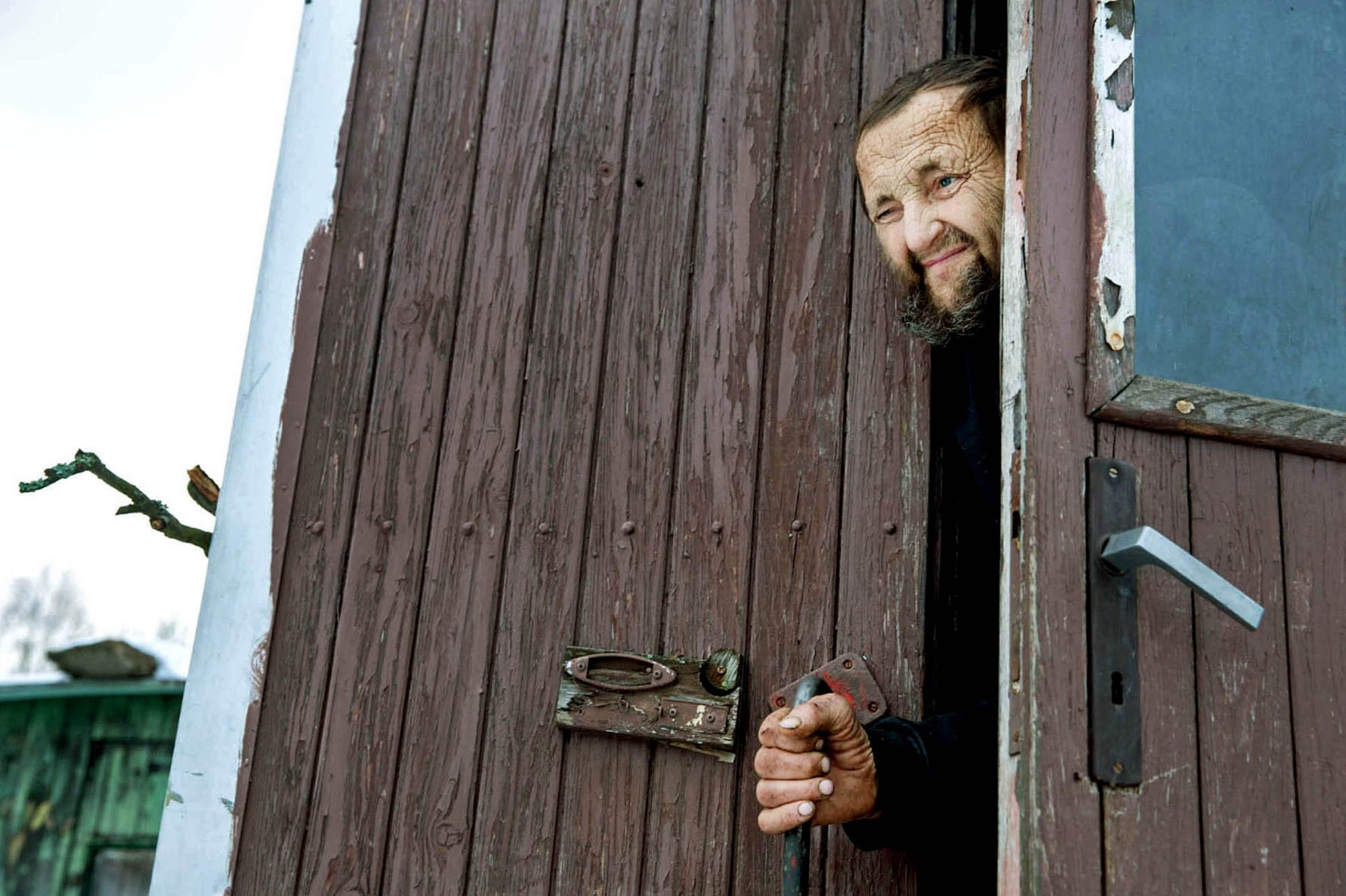
Gradually, familiarity replaced hesitation, and photography became part of a relationship rather than the reason for it. For Jana, the access she values most is not permission to enter someone’s home or raise a camera. It’s the moment when someone allows her to see more of who they are. Some of that awareness had been shaped by experiences that long predated her work as a photographer.
Long before photography became her work, Jana had already experienced what it meant for someone she loved to become suddenly vulnerable, and how one devastating event could affect an entire family.
Jana was twelve when her 18-year-old brother was involved in a car accident that left him with a broken spine and injuries that would change the course of his life. She remembers seeing him in the hospital shortly after and being shocked by how different he looked. Her brother was right there in front of her, she recalls, yet for a moment she felt as though she couldn’t see him. Witnessing his pain was the first time she remembers feeling another person’s pain almost as if it were her own. It overwhelmed her, she recalls, and she nearly fainted before her mother quickly escorted her out.
The accident didn’t affect her brother alone. Jana watched its impact ripple through her family, changing the emotional landscape around all of them.
Looking back, Jana sees a connection between that experience and the work she would eventually find herself drawn to. Having watched her brother’s accident reshape not only his life, but the lives of everyone around him, she saw firsthand that the visible injuries were only one part of what the family was living through. There was also the fear, uncertainty, changing relationships, and the way a single event continued to alter daily life long after the immediate medical crisis was over. Years later, when Jana found herself sitting beside people whose lives had also been divided into a before and an after, she realized that she was not uncomfortable being there. Some of that emotional terrain already felt familiar to her.
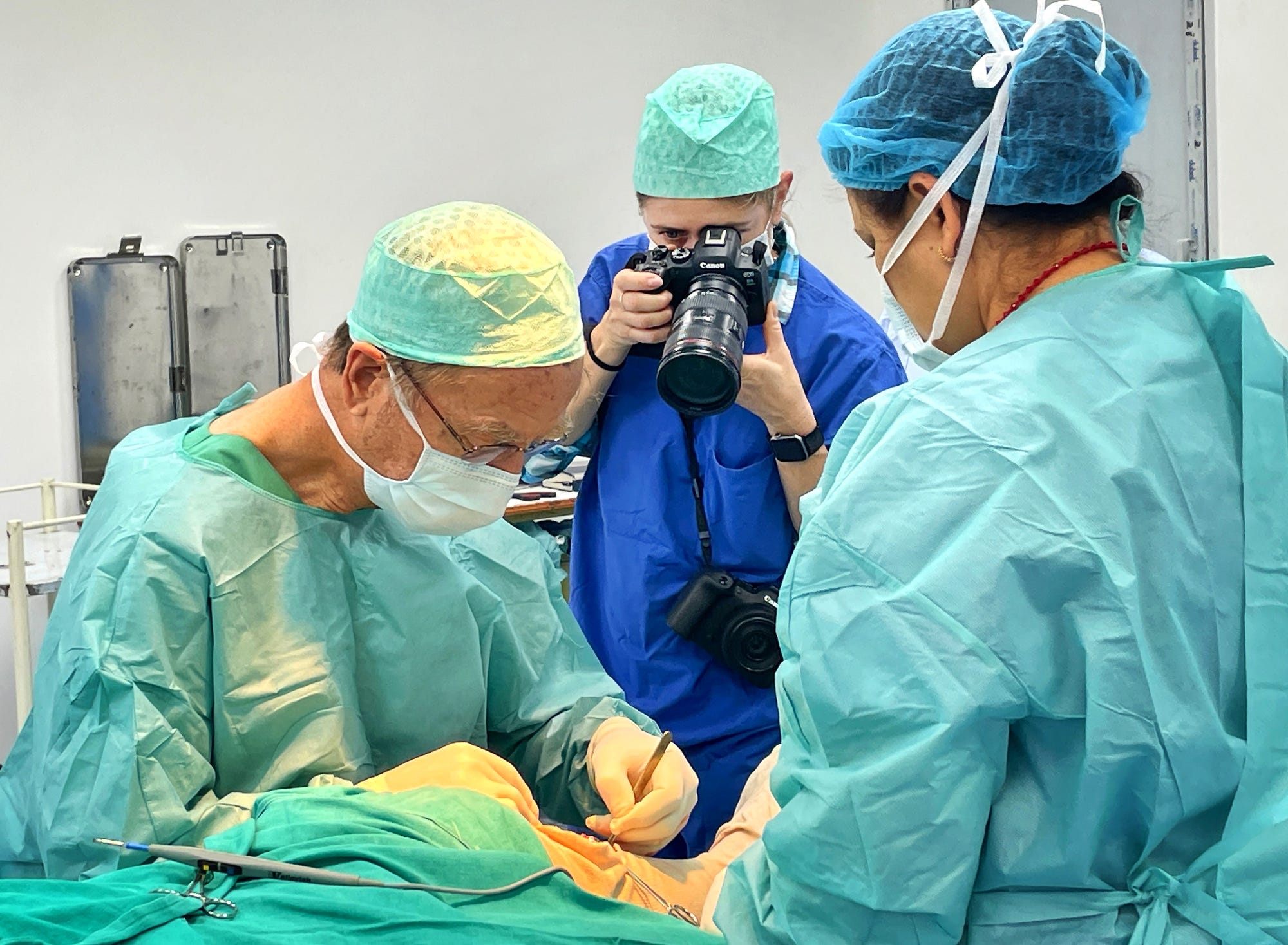
What she carried forward was an understanding of how far the effects of trauma can travel, moving outward into families, routines, relationships, identities, and memory.
Growing up in a small town in the Czech Republic, she remembers feeling what she once described as the “paralyzing weight of expectation,” a future that seemed to arrive already written for her. Marriage, children, settling down, and remaining close to the world she knew were not inherently wrong choices, but to her they felt suffocating when they seemed like expectations rather than choices she had made for herself. As a child, she had a recurring dream in which she was trapped beneath a thick layer of ice, frantically searching for a way out while the surface remained just beyond her reach. She would wake up breathing heavily, feeling as though she had nearly drowned. Years later, she came to understand the dream as an expression of how constrained she had felt by the life other people seemed to expect for her.
Jana eventually made a life beyond the one that had been imagined for her. She left, immigrated, traveled, and built a future that looked very different from the path she had once expected to follow. For her, freedom became inseparable from the ability to choose the direction of her own life.
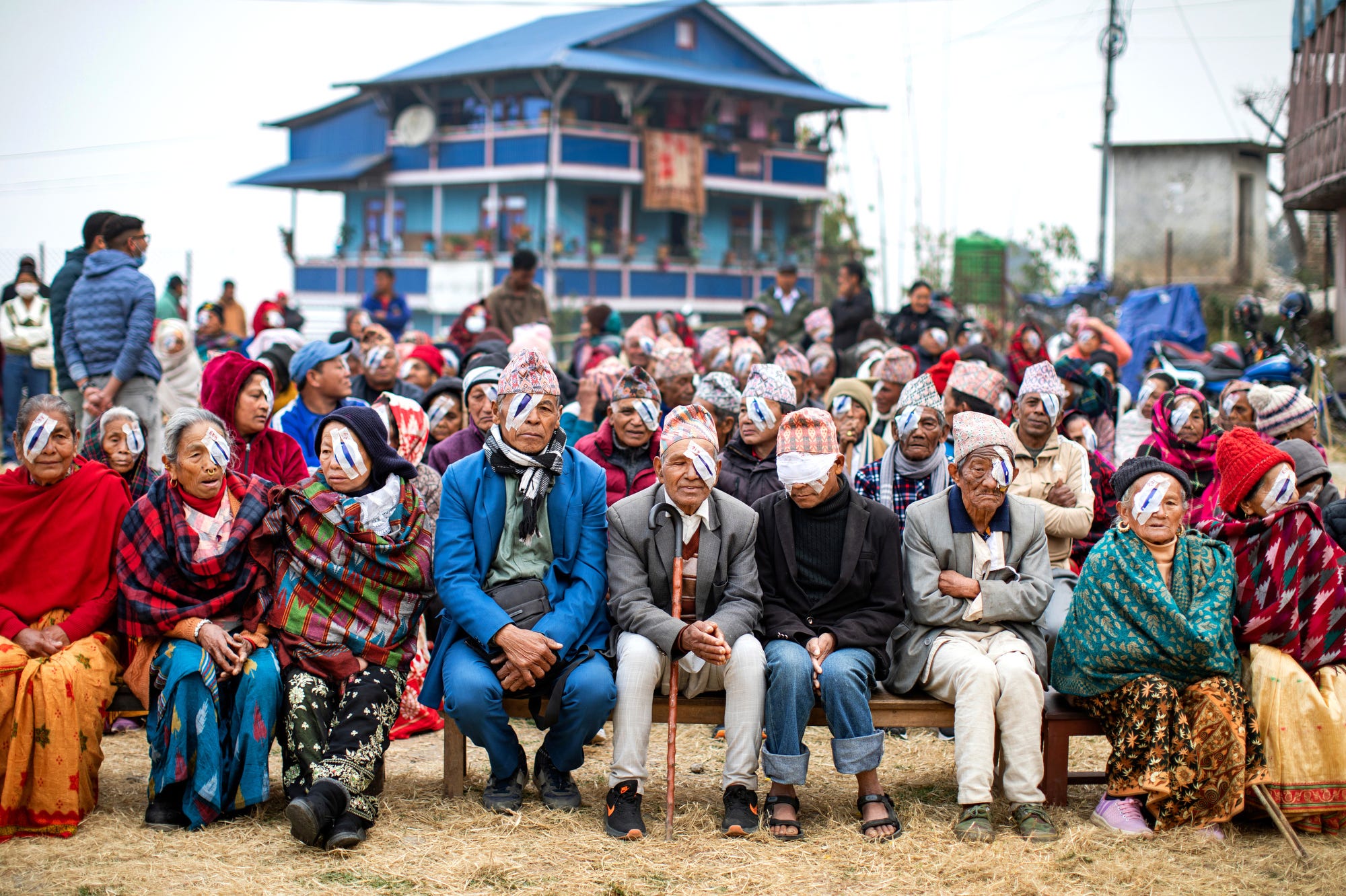
In Jana’s work, illness, injury, disability, trauma, and the way others respond to those things can become so overwhelming that they begin to define how a person is seen. Jana never pretends those circumstances are insignificant, nor does she try to photograph around them. She looks directly at what has happened and then keeps looking, making room for everything that continues alongside it, including humor, desire, irritation, relationships, memories, and all the ordinary parts of a person that don’t disappear simply because something difficult has happened.
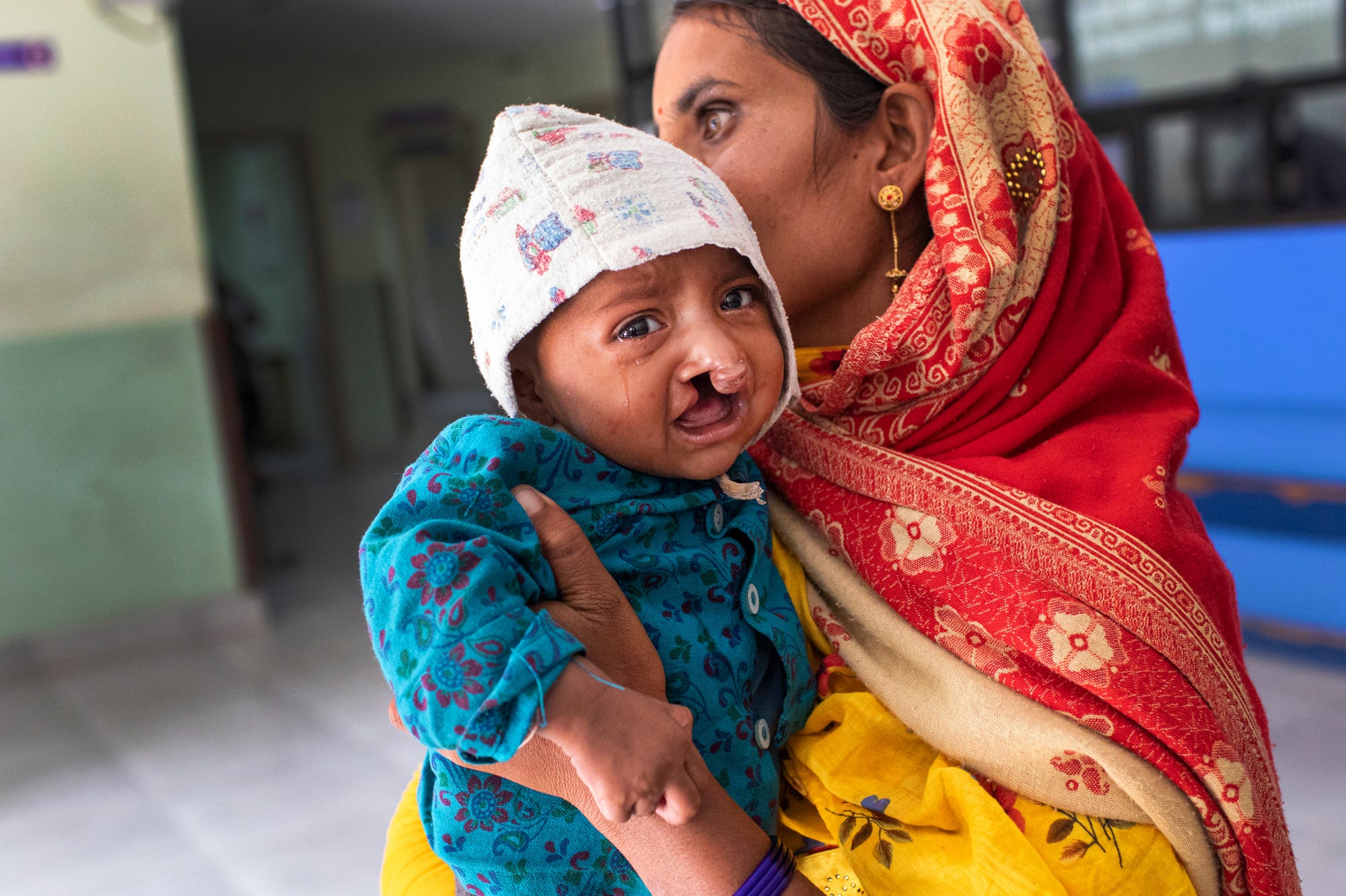
Her work asks viewers to hold both realities at once: what has happened to someone, and everything that continues alongside it. It doesn’t ask them to look away from illness, injury, or trauma, only to resist allowing those realities to become the entire story.
None of these experiences explains Jana or her work completely, but together they reveal something about the person behind the camera: someone who has known what it means to watch a life change suddenly, to feel constrained by expectations, and to build a life very different from the one once imagined for her. They are experiences that have informed the way she moves through the world and, inevitably, some of the ways she approaches the people who trust her with difficult parts of their lives.
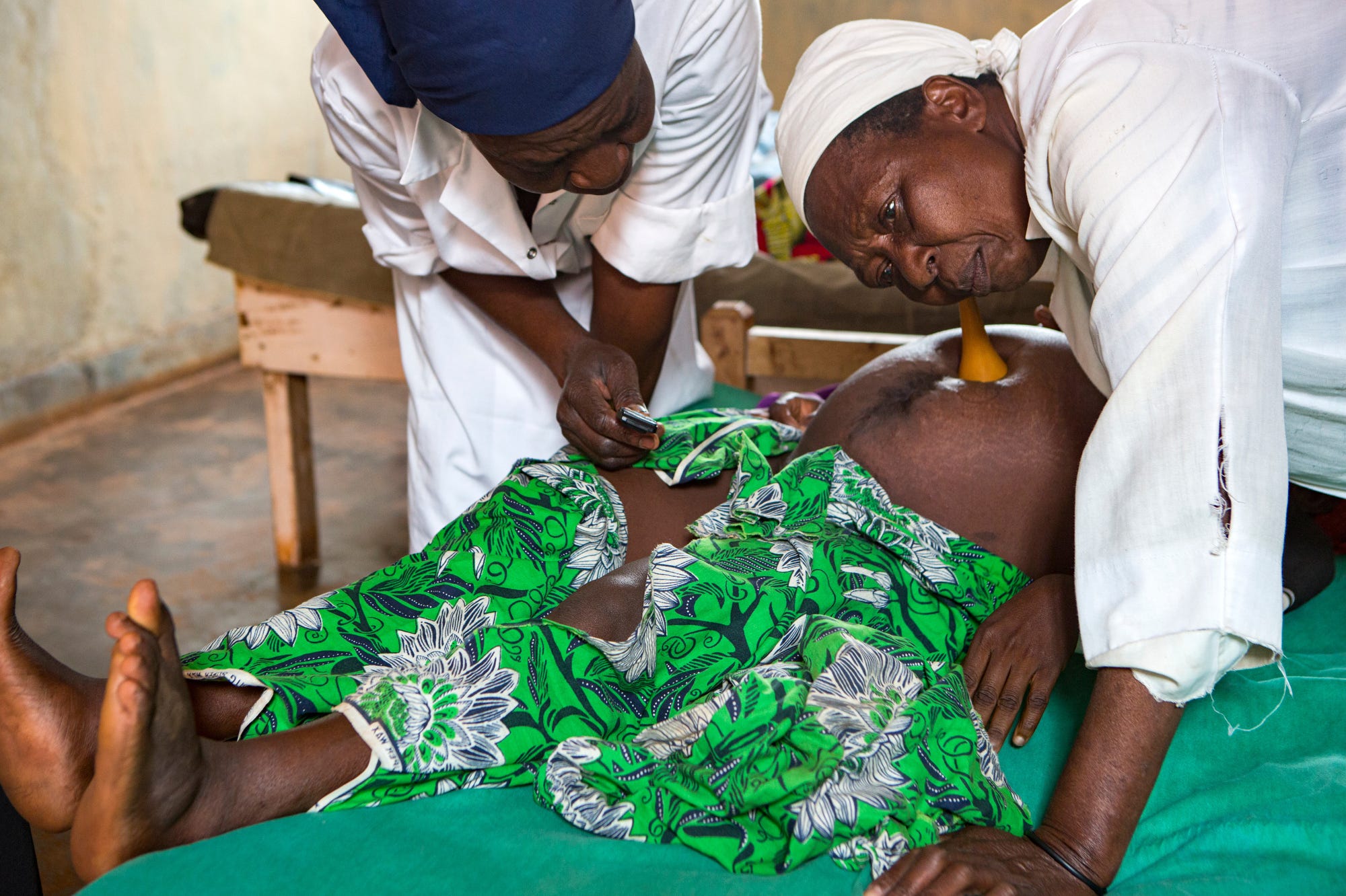
Jana isn’t looking for a neat, inspiring takeaway from someone’s suffering. Years of working with people in hospitals, medical camps, homes, clinics, and communities around the world have taught her that pain does not always resolve neatly, and that hope can exist without changing the reality of what someone is going through. She tries to stay with the person long enough to see more of who they are, including the parts that don’t fit neatly into labels like tragic, brave, hopeful, or resilient. Suffering can remain present alongside humor, desire, love, and all the ordinary details that continue to be part of a person’s life.
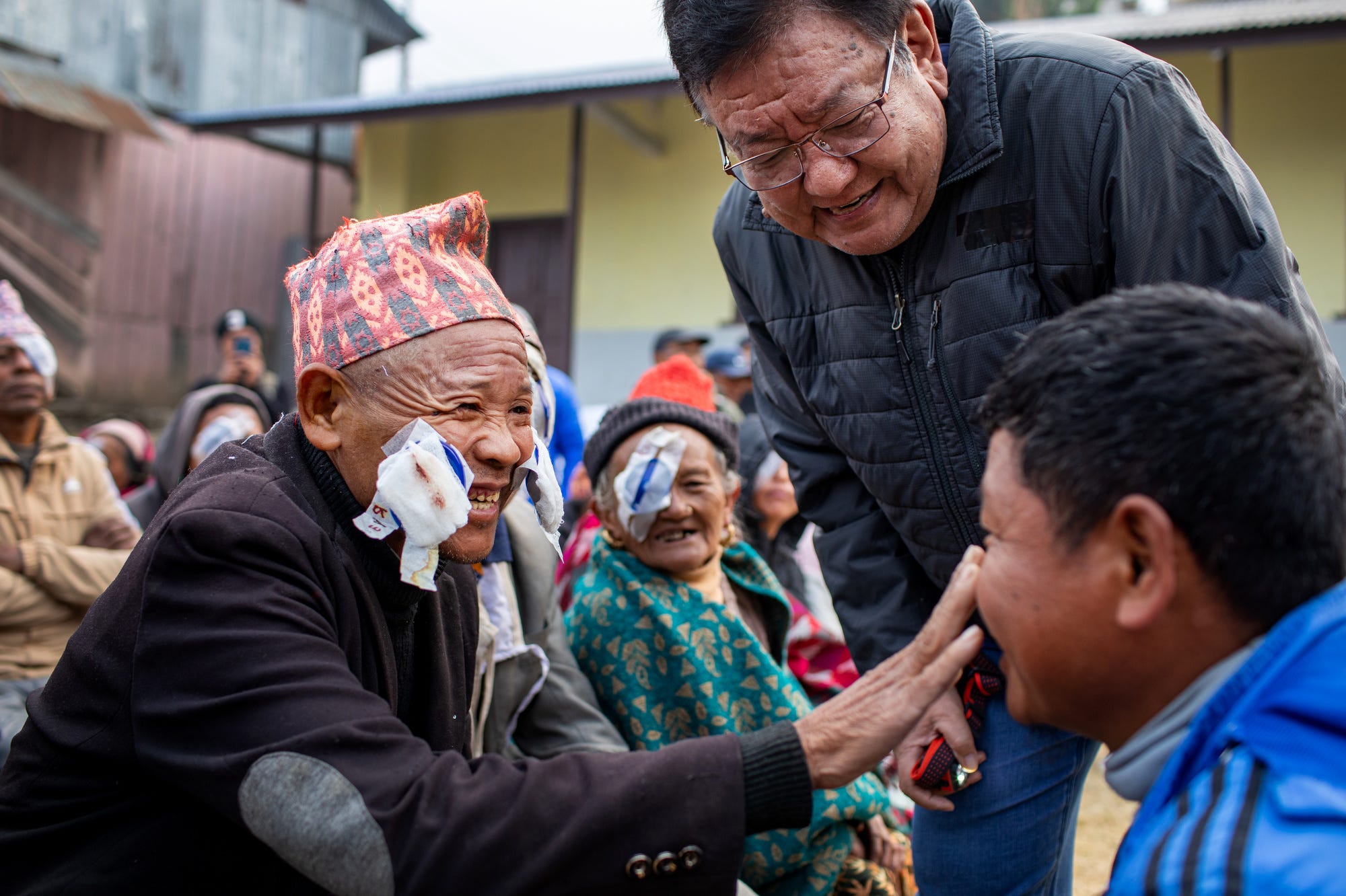
When I asked Jana what she hopes changes in someone after they have spent time with her work, her answer was simple. More than anything, she hopes the photographs make people feel something, and perhaps, in doing so, encourage them “to look harder, and deeper.”
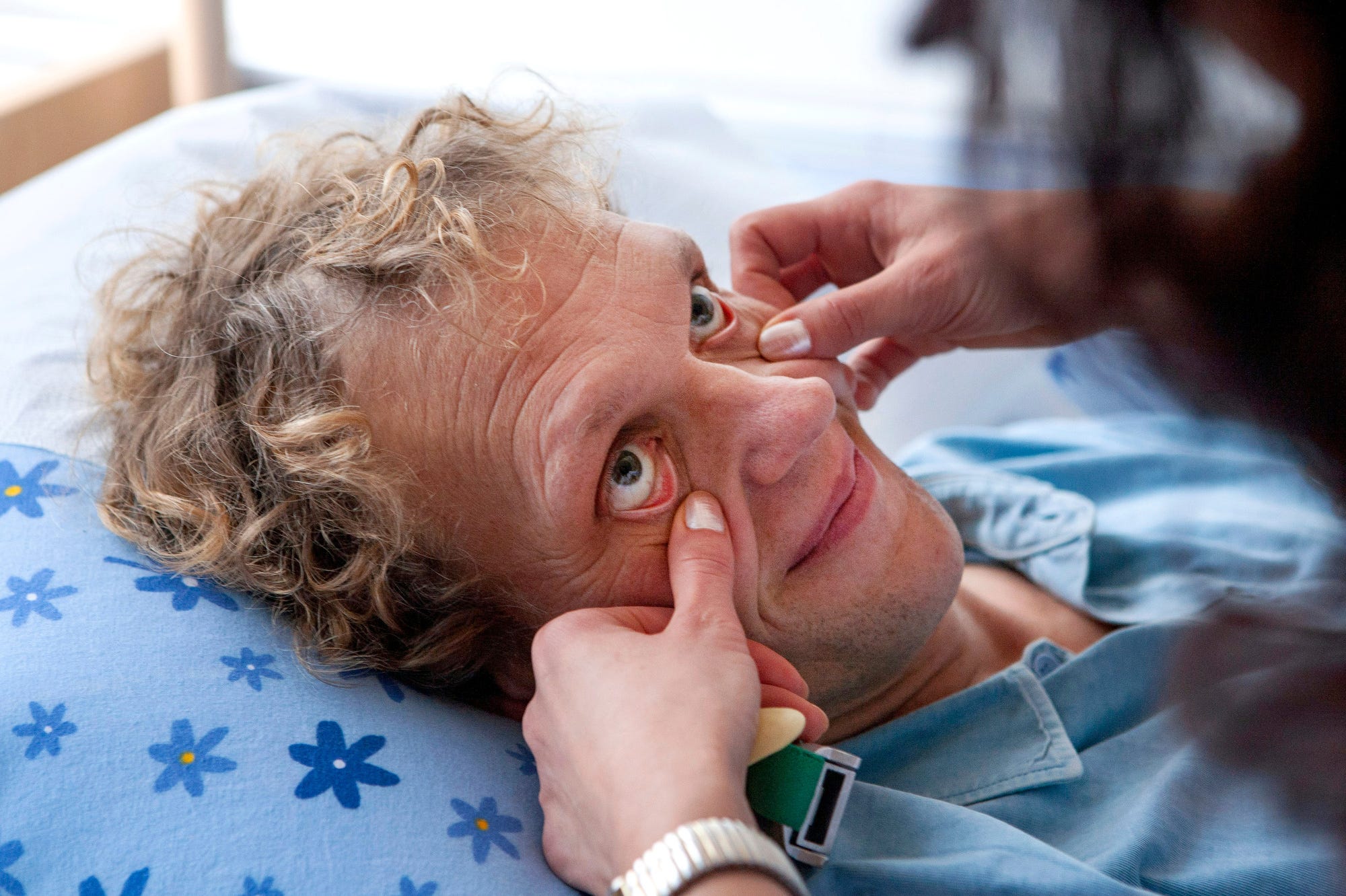
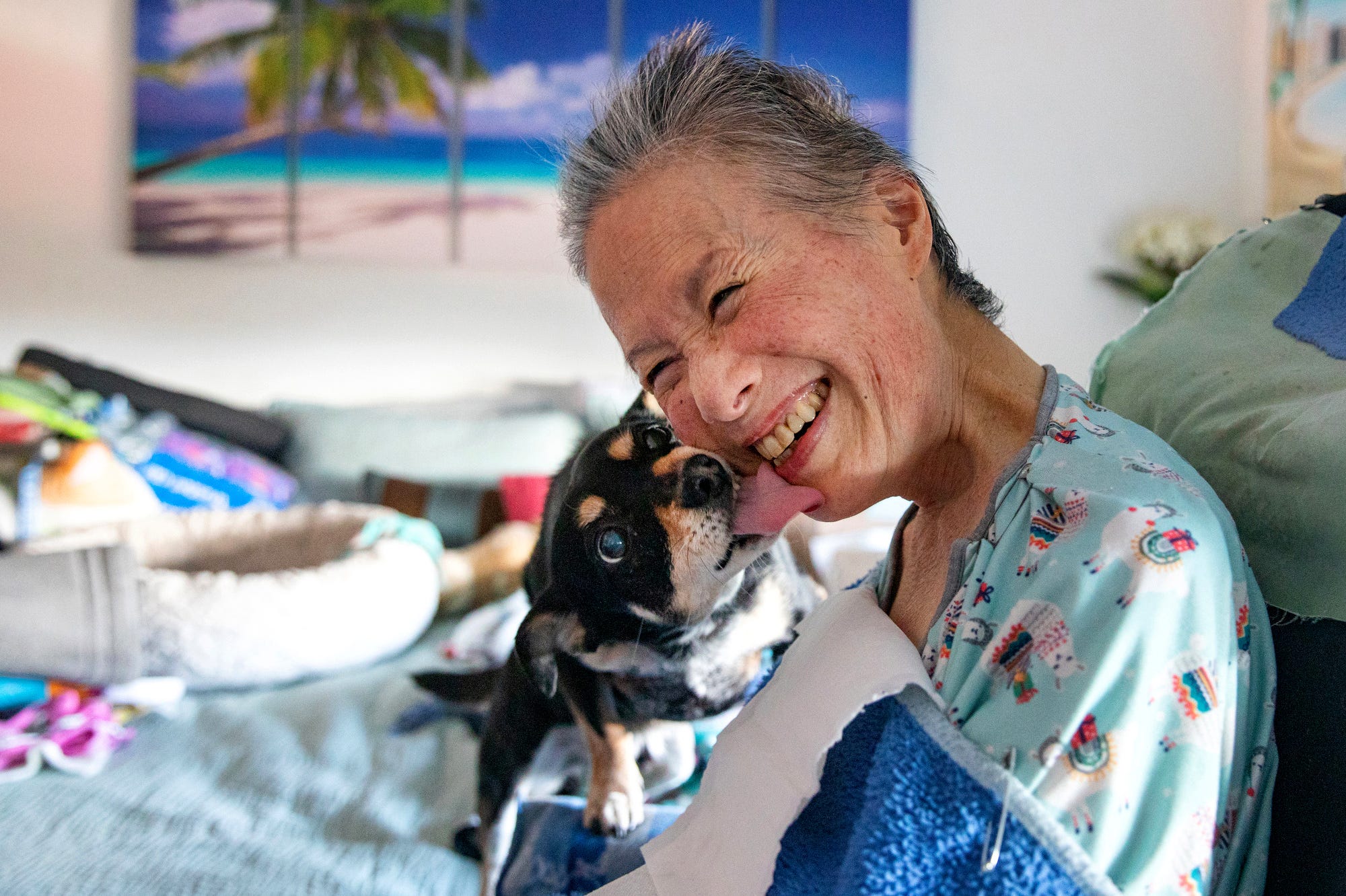
Perhaps that’s what her photographs have been asking of us all along: to resist the first conclusion, stay with what’s in front of us a little longer, and remember that no matter how much we think we understand about another person, there is always more to see.
The first thing you see is rarely the whole story. That was true of Nam. It’s also true of Jana.
Written by Hope Cruz | Photography by Jana Ašenbrennerová
About Jana
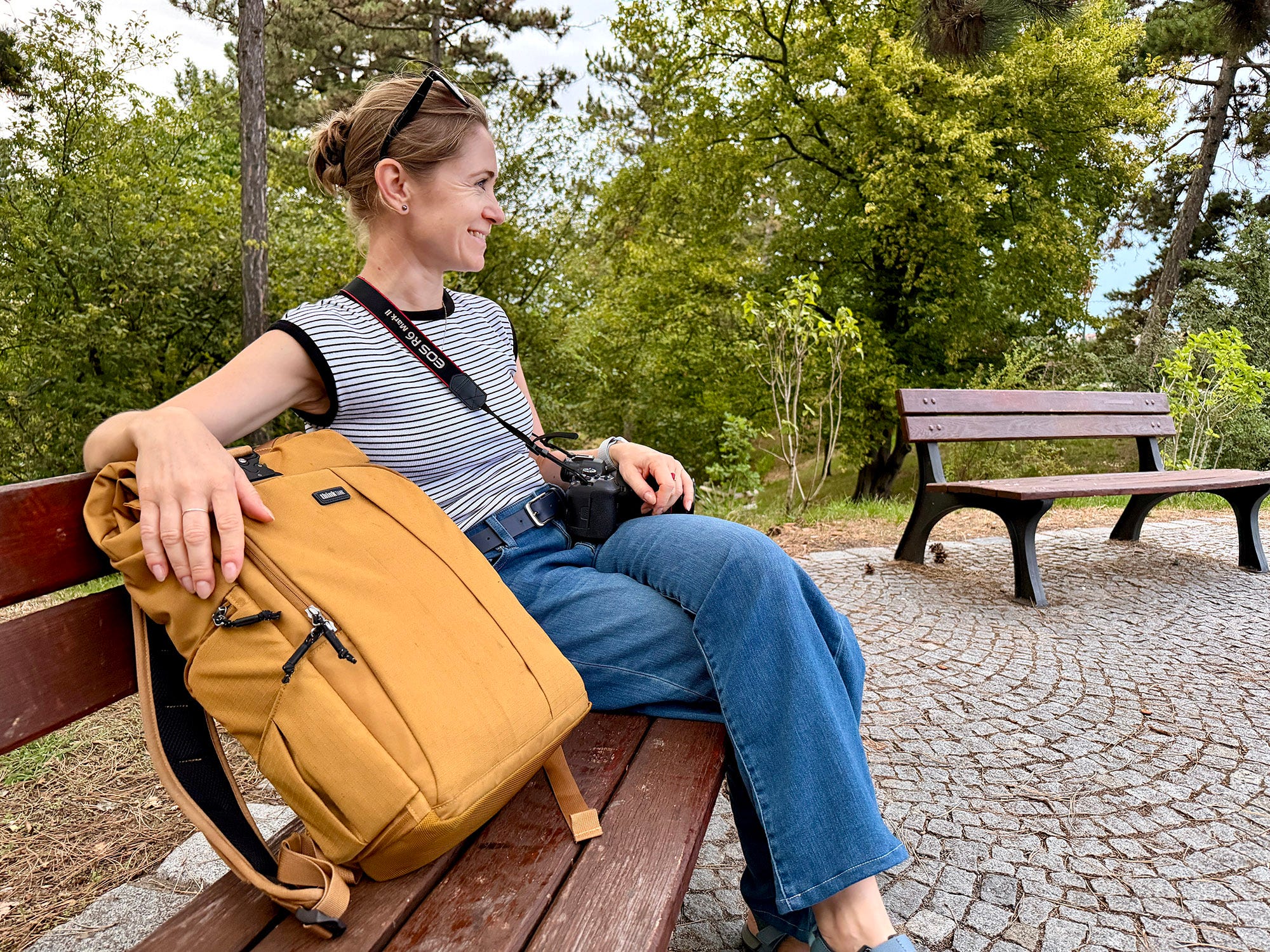
Czech photojournalist Jana Ašenbrennerová has spent more than fifteen years documenting people and communities around the world. Much of her work focuses on what she calls “the human side of medicine,” following patient journeys, surgical care, and the work of medical teams, often in places where geography shapes access to care.
Follow Jana’s Work
Discover more of Jana Ašenbrennerová’s remarkable documentary photography and the human stories behind her images. Visit her website to explore her projects, and follow her on Instagram for a closer look at her work and the people and communities she photographs.

Beautifully written. Beautifully photographed 😊🙏🏻❤️.
Such inspiring work and what a great read.
Thank you, Jana. Thank you, Hope.